

“Thank you Eathan and Nathan for your hospitality — what wonderful hosts. Making all welcome with a smile is just needed for making this business grow. We had a good relaxing 2 hours through the river.”
Jerry Mohan
Google, July 2026
Family-run river cruises through 50-metre limestone gorges and century-old boatsheds — at the quiet end of the Great Ocean Road.
Welcome aboard
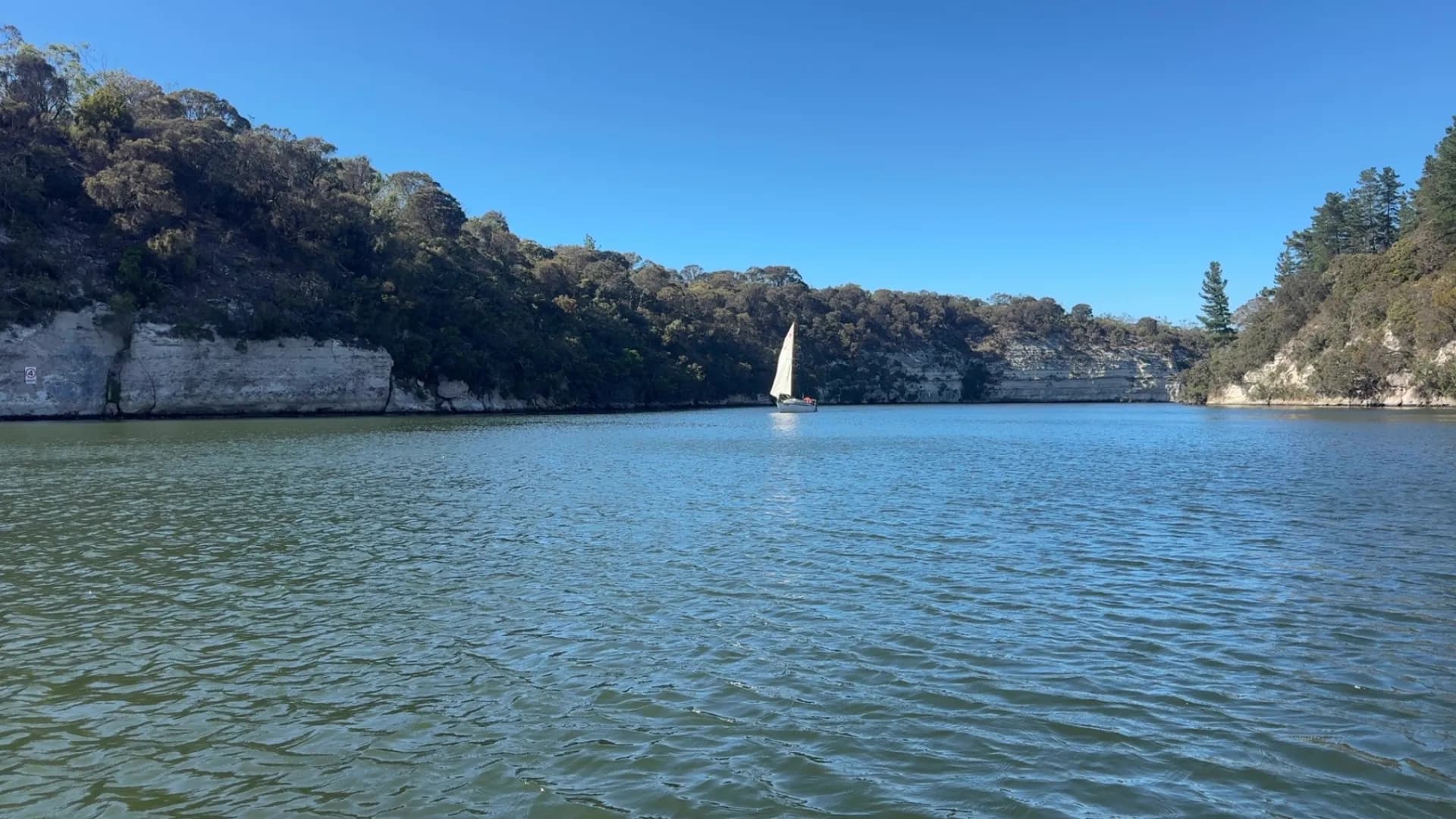
Tucked into the corner where Victoria meets South Australia, the Glenelg River carves a 400-kilometre passage from the Grampians to the Southern Ocean. We've been cruising the deepest, most spectacular stretch of it — through 50-metre limestone gorges and past century-old boatsheds — since 1974.
The boats are timber and steel. The skippers are local. The wildlife arrives on its own terms. Step aboard, find a seat, and let the river do the rest.
1974
Cruising the Glenelg since
50m
Limestone cliffs above the river
12km
Of navigable gorge
400km
Of river to the Grampians
The cruises
A leisurely scenic loop through the gorge, or a long lunch or dinner on the river.
Why Glenelg
Every cruise is run by people who know this river — its bends, its birds, its weather. That's not a marketing line. It's just how a family business works.
Three generations have skippered these waters. Local knowledge you can't fake.
Travel respectfully through Lower Glenelg National Park — one of Victoria's last quiet places.
Open viewing deck for the breeze; covered cabin for tea, lunch, or weather. The choice is yours on the day.
No rushing, no upsells. Just river, gorge, birdlife and good company.
A river apart
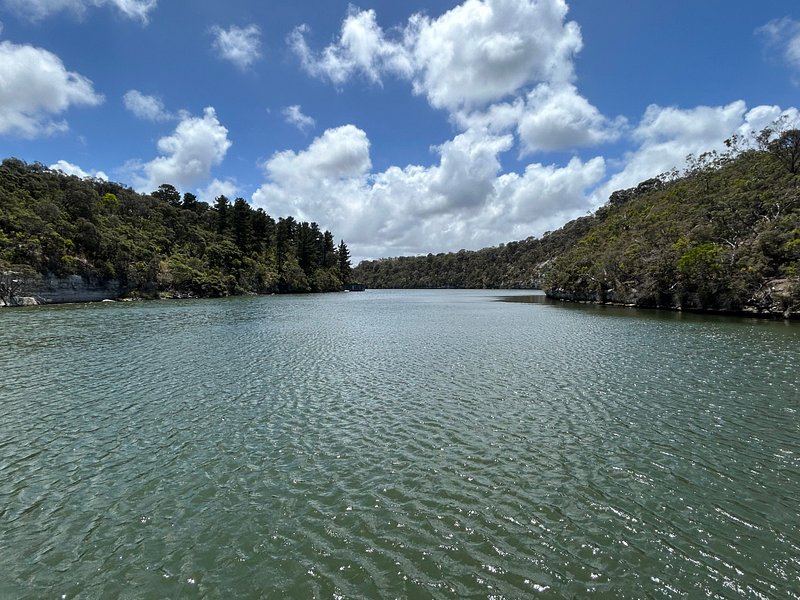
The Glenelg is the rare Australian river that's stayed wild. Pelicans raft on the wider reaches, kangaroos come down to drink at Donovan's Landing, the occasional sea eagle patrols the gorge, and the limestone cliffs rise 50 metres above a river that's often glass-flat for kilometres at a stretch.
A short film
Limestone gorges, pelicans on the water, kangaroos on the bank, the last light over the dunes — and the boat moving slowly through all of it.
What guests say
Real guest reviews from Google, Facebook and Tripadvisor — in their own words.
“Thank you Eathan and Nathan for your hospitality — what wonderful hosts. Making all welcome with a smile is just needed for making this business grow. We had a good relaxing 2 hours through the river.”
Jerry Mohan
Google, July 2026
“Very enjoyable short cruise on the Glenelg River. The operator/host Eathan and Nathan are very friendly and approachable. The services on board has been great. Highly recommended for all groups and ages.”
Tajol Ismail
Google, June 2026
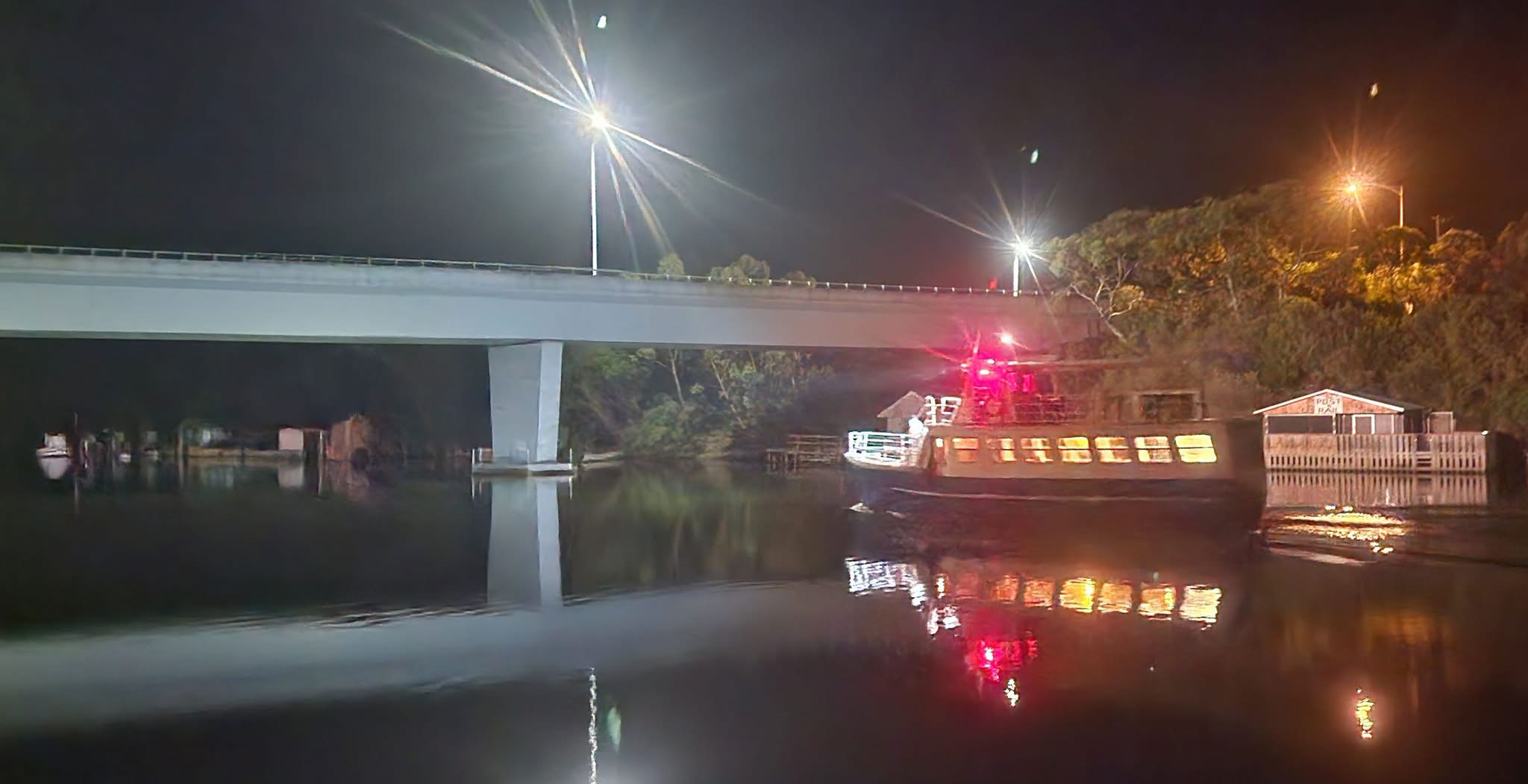
“New owners… and they are very accommodating. Now called Glenelg River Cruises. Best to book in advance, especially if you want the evening dinner cruise, as you need to pre-order from their menu. We went Easter Saturday — their first 'Floating Restaurant' 7pm sunset cruise. Dinner was excellent.”
Marg B
Dinner cruise · Tripadvisor, April 2026
“My hubby had a massive stroke 19 months ago and is wheelchair bound. We had visitors from Queensland for a few days and I wanted to take them around our beautiful part of Australia. The team were more than happy to accommodate us and went out of their way to make it happen. Such an enjoyable and informative cruise. I'd most definitely recommend Glenelg River Cruises to anyone in the area, and to locals.”
Pete and Sue K
South Australia · Tripadvisor, January 2026
“We enjoyed an amazing 2 hour cruise this afternoon through the Glenelg River Gorge with Glenelg River Cruises. Our hosts provided excellent service, information and commentary, and were so friendly and interesting to talk to. Our charcuterie board was delicious. Highly recommend and wish the guys plenty of success with this venture.”
Batts65
Melbourne · Tripadvisor, July 2026
“The cruise and commentary was fantastic and the lunch was delicious. I recommend everyone hop on board, sit back and relax on this wonderful cruise.”
Helen Robinson
Lunch cruise · Google, January 2026
“A lovely afternoon on the river! Nathan gives a great commentary while Eathan serves delicious scones, jam & cream! Local wines were flowing. A great way to spend the day with friends & family! Highly recommend!”
Julie Campbell
Facebook, August 2026
“We enjoyed a wonderful dinner cruise on the river. An informative cruise with a lovely meal and delightful hosts. Whether you're a local, or visiting our beautiful part of the country, I highly recommend viewing it from one of the Glenelg River Cruises Nelson vessels.”
Suze White
Dinner cruise · Facebook, April 2026